Antivenom is the only specific treatment for snakebite envenoming
Antivenom is classified as an essential medicine by the World Health Organization. However, its production is complicated due to the specific properties of antivenom, leading to a restricted availability.

Antivenom saves lives
Severe envenoming is a life-threatening medical emergency that requires immediate treatment. Antivenom is the only specific therapy for venomous bites. It works by directly targeting and neutralizing the toxins in the venom, stopping their harmful effects.
High-quality antivenoms can prevent over 90% of deaths when given promptly. However, timing is critical because antivenom cannot reverse damage that has already been done. Delays in treatment greatly increase the risk of death and disability, with delays beyond six hours significantly increasing the likelihood of serious complications and fatal outcomes.
What is Antivenom and how does it work?
The effectiveness of antivenom relies on the principle of passive immunity. Unlike a vaccine, which trains your body to build defences over time, antivenom provides ready-made antibodies that act immediately. These antibodies lock onto specific venom toxins, neutralizing them before they cause further harm.
Venoms are complex mixtures of toxins, each with different effects such as damaging tissue, interfering with blood clotting, or attacking the nervous system. To counter this complexity, all antivenoms are polyclonal, meaning they contain a diverse array of antibodies that neutralize multiple venom components of the species they are designed to target.
When it comes to species coverage, there are two main approaches:
- Monovalent Antivenoms: Designed to treat bites from a single species. These are useful in regions with few medically important species or where symptoms clearly indicate the species involved.
- Polyvalent Antivenoms: Formulated to neutralize venom from several species within a region. This “broad-spectrum” approach is practical in areas with high species diversity or where symptoms overlap, allowing clinicians to start treatment without definitive identification.
The correct antivenom must be used for the species responsible, or it may not work. Unlike treatments for most other diseases, which are the same worldwide, antivenoms have geographically confined efficacy. An antivenom that works in one country may be completely ineffective in another because the species and their venoms vary dramatically. This unique challenge makes strategic mapping and distribution of the right antivenom to the right region as vital as the science itself.
Antivenom production
Antivenom production is a fascinating blend of science and history. The concept dates back to the late 19th century when French scientist Albert Calmette developed the first antivenom for cobra bites in 1895. His breakthrough was based on the principle of using animal-derived antibodies to neutralize venom, a method still used today.
Modern antivenoms are far safer and more effective than early versions, thanks to improved purification techniques and rigorous quality control. Yet the core idea has not changed: harnessing antibodies from immunized animals to provide immediate, life-saving protection against venom.
The process:
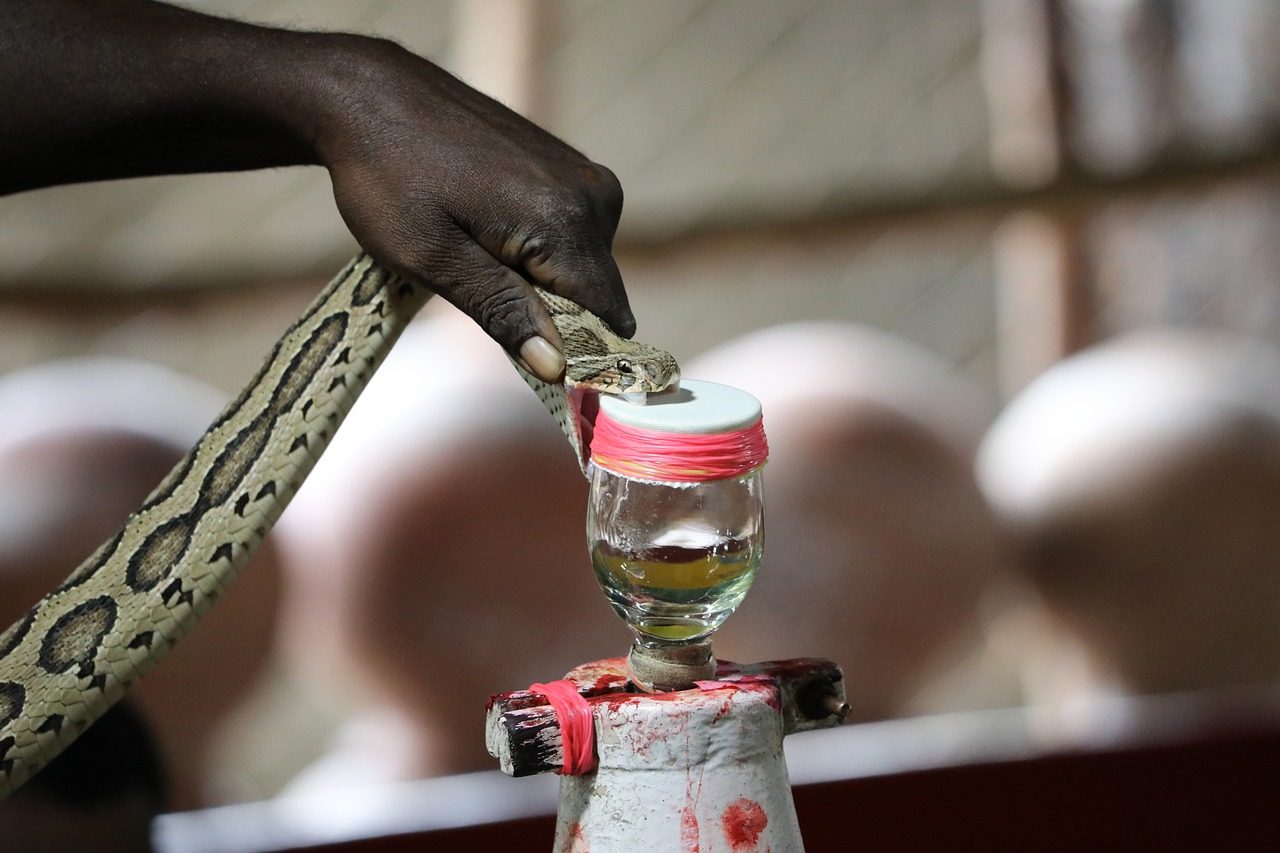
1. Venom Collection
Small amounts of venom are carefully extracted from snakes, scorpions, or other venomous species. This venom is the key ingredient for stimulating an immune response.

2. Immunization
The venom is injected in controlled doses into large animals, typically horses or sheep, over several months. These animals develop antibodies against the venom toxins.
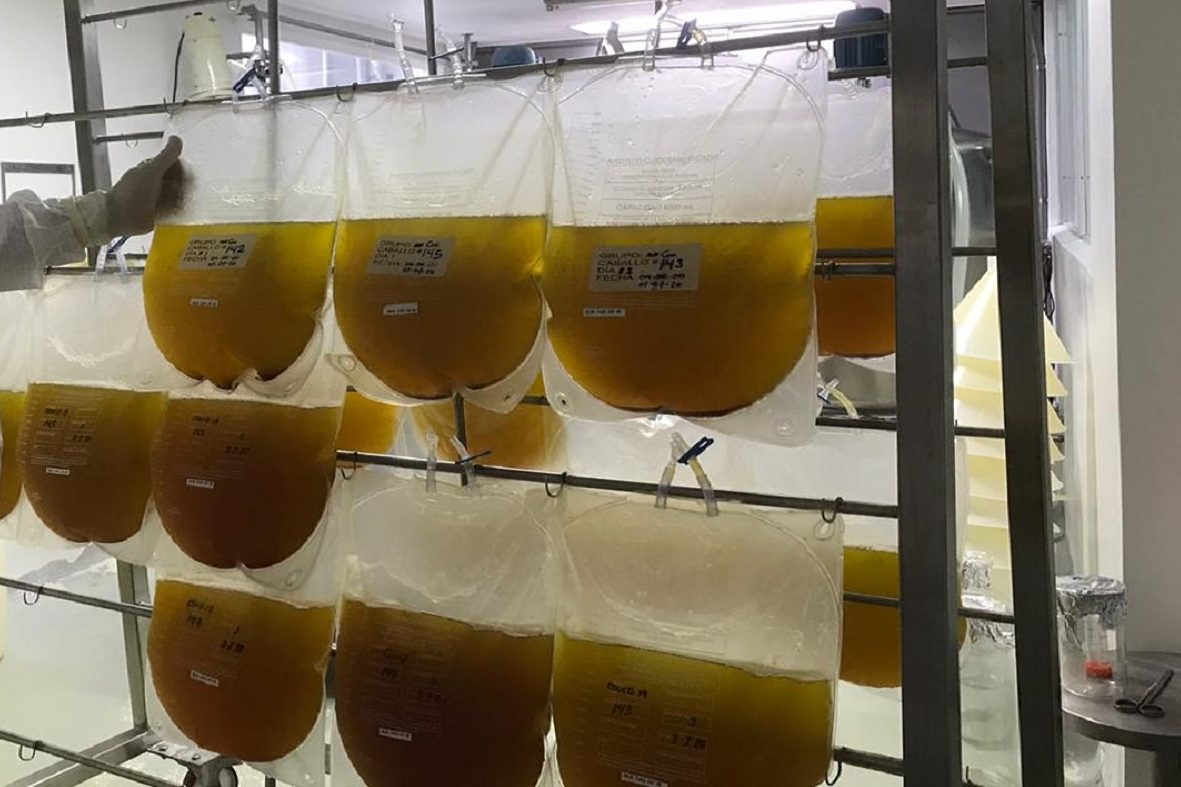
3. Plasma Separation
Blood is drawn from the immunized animals, and the plasma (rich in antibodies) is separated from the blood cells.
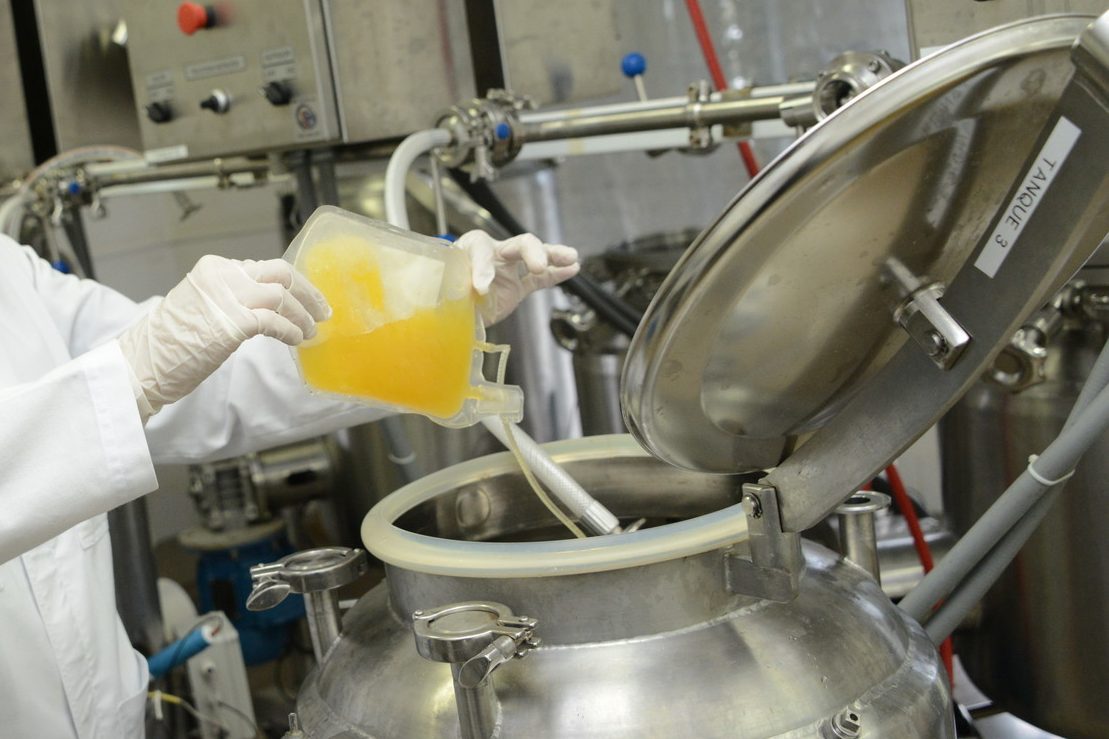
4. Antibody Purification
The antibodies are purified and filtered to remove unwanted proteins and impurities. Some antivenoms undergo enzymatic treatment to produce F(ab')2 or F(ab) fragments. After multiple filtration steps, the antibodies are concentrated and prepared for formulation.
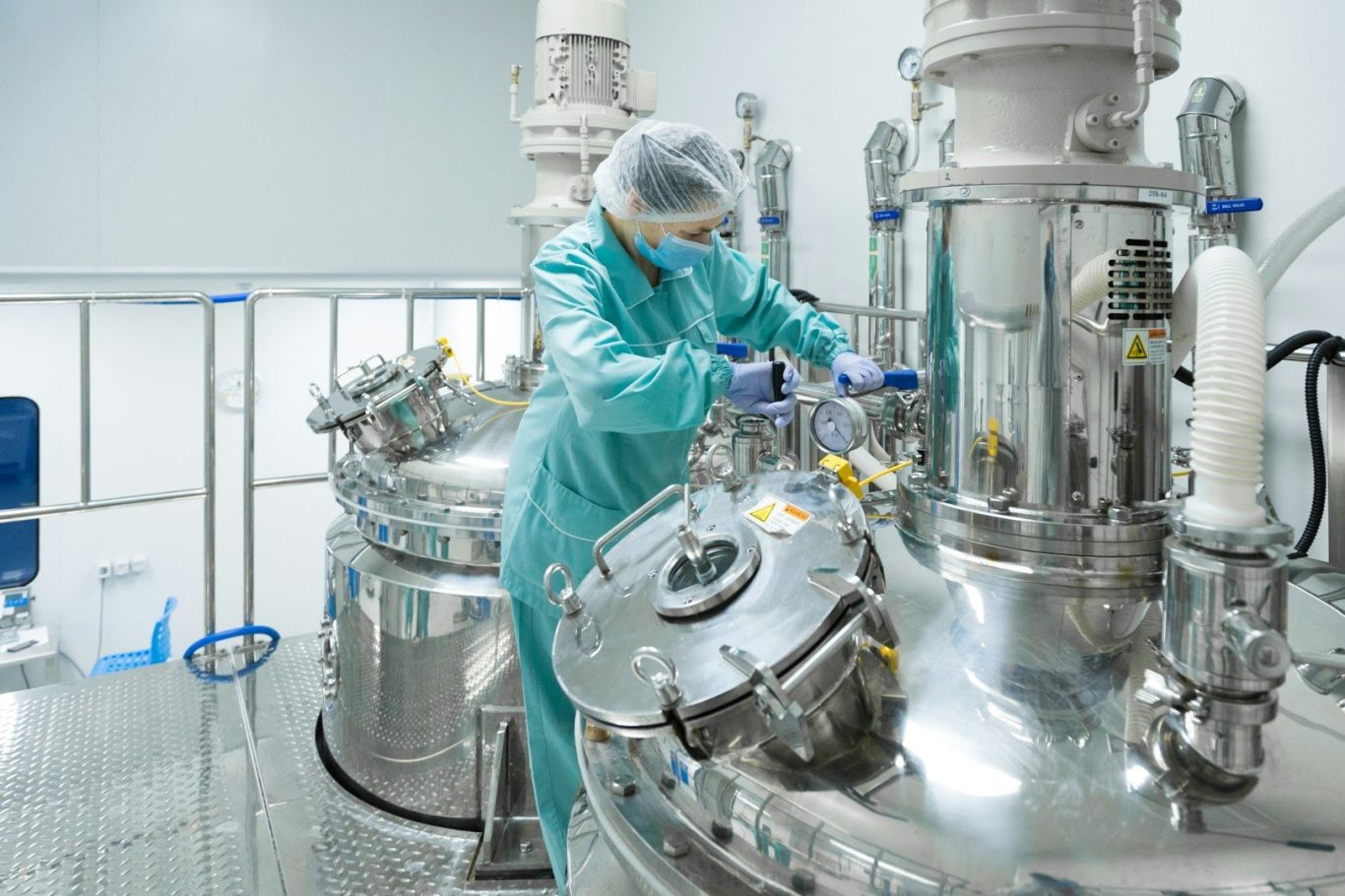
5. Formulation
The purified antibodies are combined with stabilizing agents (excipients) to ensure sterility, stability, and safety. The formulation undergoes rigorous quality control checks before moving to the final stage.
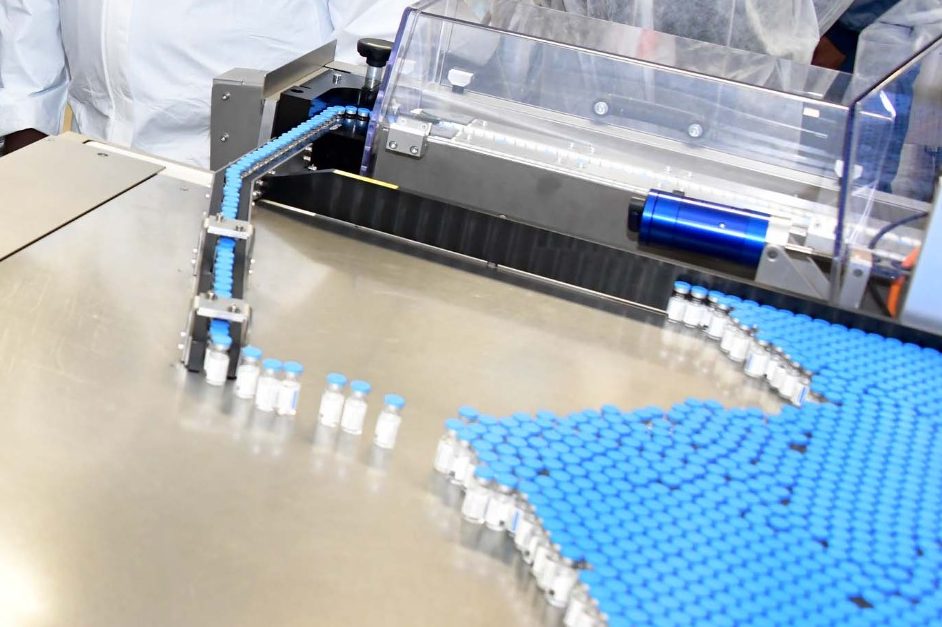
6. Fill and Finish
The antivenom is dispensed into sterile vials. Some products are freeze-dried (lyophilized) to improve shelf life and reduce cold-chain dependency. Vials are then labelled, sealed, packaged, and subjected to final quality inspections before release for distribution.
The challenges with antivenom supply
Antivenom’s species-specific nature creates unique challenges for global health:
Biological and Production Challenges
- No Universal Antivenom: Each antivenom targets specific species or groups of species. Covering all medically important snakes and scorpions requires producing many different antivenoms, which drives up costs and prevents economies of scale. For low-income countries, production is often uneconomical.
- Venom Dependency: Antivenom production requires venom for immunization. Venoms are difficult to collect, expensive, and sometimes unavailable. Samples may come from only a few specimens, which may not fully represent the diversity of toxins in wild populations.
Supply Chain and Regulatory Challenges
- Geographic Specificity Risks: Health systems managing thousands of medicines may lack safeguards for antivenom’s regional efficacy, leading to inappropriate antivenoms entering local supply chains.
- Cold Chain Requirements: Some antivenoms need refrigeration, which is difficult to maintain in rural areas with unreliable electricity.
- Regulatory Barriers: Regulatory bodies in low- and middle-income countries (LMICs) often rely on approvals from high-income countries to streamline processes. However, because antivenoms are region-specific, producers for LMICs rarely benefit from these agreements, delaying or even preventing access.
Clinical Challenges
- Variable Dosing: Envenoming is a form of poisoning, and the amount of venom injected varies widely. There is no fixed dose so treatment must be titrated to the individual. This requires clinical expertise, and in settings where patients pay out-of-pocket, they often buy less than the required amount, reducing effectiveness.
- Safety Concerns: Antivenoms are immunogenic and can trigger allergic reactions. They must be administered under close medical supervision with emergency measures available to treat anaphylaxis.
Economic and Market Challenges
- Fragile Economics: Snakebite and scorpion envenoming primarily affect poor, rural communities, creating little commercial incentive for manufacturers. This leads to fragile supply chains and dependence on public health programs or charitable support.
- Essential but Undervalued: Prevention can reduce the need for antivenoms, but demand will never disappear. If demand decreases further, the economic viability of production will worsen, risking even greater shortages.